The Quiet Architect: How Rick Rubin Accidentally Changed Music Forever
Few figures in modern music history have managed to influence as many genres, artists, and eras as Rick Rubin. Some producers become associated with a particular sound. Others become attached to one genre or one generation. Rubin somehow escaped nearly all traditional categories. Across four decades he has moved between hip-hop, heavy metal, country, hard rock, pop, alternative music, punk, and experimental records while repeatedly reshaping the careers of artists who often arrived at his door searching for reinvention. The strange part is that Rick Rubin rarely resembled the stereotypical image of a producer. He was not known for endless technical explanations or obsessing publicly over complex engineering language. Instead, he became famous for something much harder to define: instinct. While many producers attempted to add more, Rubin frequently built his reputation by removing things.
His story begins far from giant studios and platinum records. Rubin grew up in Long Island, New York, and developed an early fascination with music that crossed genre boundaries. Punk rock, hip-hop, heavy music, and underground scenes all grabbed his attention. During the late 1970s and early 1980s, New York itself functioned as a collision point where entirely different musical worlds often existed only blocks apart. Downtown punk scenes, early rap culture, DJs, clubs, and underground artists shared space inside a city that constantly generated new sounds. Rather than committing himself to one movement, Rubin absorbed everything around him. That openness later became one of his defining strengths.
While attending New York University, Rubin helped launch what would eventually become one of the most important labels in music history: Def Jam Recordings. Early stories surrounding Def Jam have almost become mythology. Rubin reportedly operated from dorm rooms while helping build an operation that initially felt more like an underground movement than a future entertainment powerhouse. Alongside Russell Simmons, Def Jam became one of the central forces responsible for bringing hip-hop into broader American culture. At a time when many traditional music executives underestimated rap entirely, Def Jam recognized something huge was happening.
The label's early roster alone now reads almost unreal. LL Cool J arrived. Beastie Boys exploded. Public Enemy transformed political rap. Suddenly Def Jam records sounded different from everything else on radio. They felt harder, louder, and more stripped down than audiences expected. Rubin's production approach often relied on aggressive drum-machine sounds, direct arrangements, and energy rather than excess. His work on the Beastie Boys' Licensed to Ill helped create one of hip-hop's first true blockbuster albums and demonstrated that rap records could cross far beyond niche audiences.
Yet Rubin never appeared interested in remaining inside one lane. During the late 1980s and early 1990s he expanded aggressively beyond hip-hop and founded Def American, later renamed American Recordings. That move opened entirely different worlds. Rubin worked with hard-rock bands, punk acts, and alternative artists while maintaining his reputation as someone capable of understanding musicians on a deeper level than simple commercial calculation. Instead of arriving with rigid formulas, he often adapted himself to artists individually.
Then came one of the most remarkable reinventions in modern music history.
By the early 1990s, Johnny Cash found himself in an uncertain place professionally. Country radio had largely moved elsewhere. Industry attention shifted toward newer artists. Some viewed Cash as a legend whose commercial peak existed entirely in the past. Then Rick Rubin proposed something unusual. Rather than surrounding Cash with enormous productions and polished arrangements, Rubin stripped everything away. The recordings frequently featured little more than Cash, an acoustic guitar, and songs selected carefully for emotional weight.
The result became American Recordings.
The album felt shocking.
Not because it sounded enormous.
Because it sounded intimate.
Rubin recognized that Johnny Cash's voice itself represented the power. Nothing needed distracting listeners from it. The approach revitalized Cash's career and eventually produced some of the most emotionally devastating late-period recordings ever released. Cash covering songs by artists ranging from Nine Inch Nails to Soundgarden suddenly revealed entirely new emotional dimensions inside familiar material.
Over time Rubin became associated with artistic resurrection projects. Artists repeatedly arrived during difficult moments and emerged with renewed focus. His work with Red Hot Chili Peppers helped shape Blood Sugar Sex Magik and later releases. His collaborations with System of a Down, Slipknot, and countless others demonstrated unusual flexibility. He worked with metal bands, rappers, singer-songwriters, and alternative artists without appearing restricted by expectations surrounding genre identity.
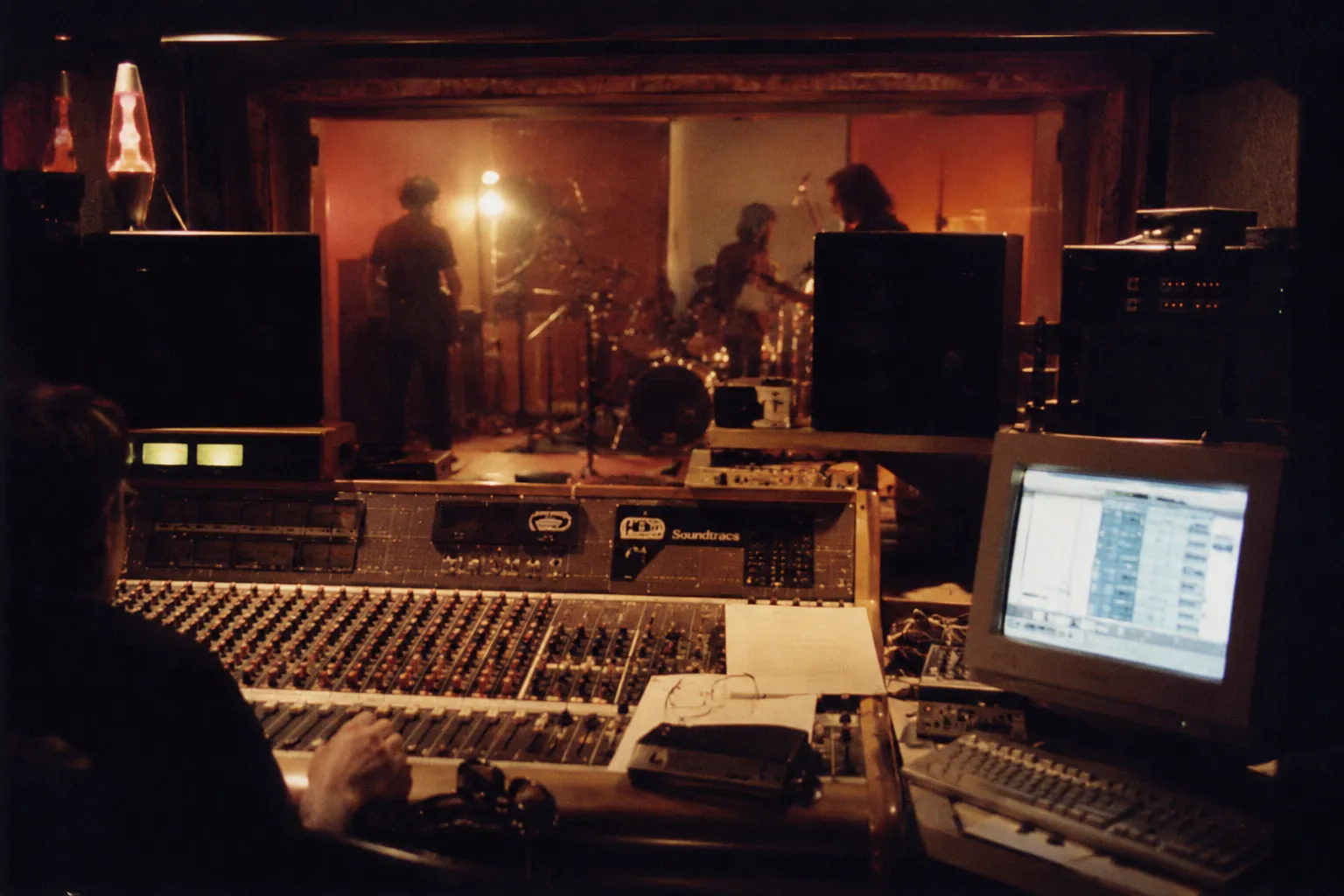
What fascinated musicians perhaps even more involved Rubin's process itself. Stories surrounding studio sessions became legendary. Some artists described long conversations rather than technical discussions. Others spoke about meditation, emotional honesty, simplicity, or Rubin encouraging artists to reconnect with instincts rather than overthinking ideas. Occasionally artists joked that Rubin seemed almost mystical. He sometimes sat quietly listening while observing emotional reactions rather than endlessly adjusting knobs and equipment. Yet somehow results repeatedly appeared.
Critics occasionally questioned whether Rubin fit conventional definitions of a producer at all. Some argued he functioned more like a curator, psychologist, editor, or creative guide. Others viewed that criticism as entirely missing the point. Rubin rarely claimed to be engineering records personally. Instead, he specialized in helping artists discover what mattered and remove distractions surrounding it. Sometimes producing means building something larger. Sometimes it means identifying what already exists and allowing it room to breathe.
Decades later Rick Rubin remains one of the most unusual and influential figures in music history because his greatest contribution may not involve any single sound. He never built one recognizable sonic formula that instantly identifies his work. Instead, his legacy lives inside moments: artists rediscovering themselves, careers unexpectedly transforming, and records finding emotional clarity.
For someone often associated with silence, simplicity, and minimalism, Rick Rubin somehow became one of the loudest forces music has ever seen.