Before the Billion-Dollar Industry: The Crazy, Loud, and Unstoppable Early Days of Hip-Hop
Before hip-hop ruled streaming charts, sold out stadiums, and became one of the most powerful forces in entertainment, it lived on sidewalks, inside parks, at neighborhood block parties, and in apartment recreation rooms across New York City. Long before billion-dollar labels and worldwide tours entered the picture, hip-hop was raw energy. It was giant speakers connected to extension cords, homemade flyers taped to walls, DJs carrying crates of vinyl through neighborhoods, and kids creating culture because nobody else was creating it for them. There were no social media campaigns, no executives predicting the future, and no carefully crafted business plans. There was simply a movement beginning to form organically inside communities that many people outside New York barely noticed. Nobody could have imagined that something born from local gatherings and street-level creativity would eventually reshape music, fashion, language, advertising, and global culture itself.
To understand early hip-hop, you have to go back to the Bronx during the early 1970s. At the time, many neighborhoods were facing enormous economic challenges. Poverty, neglect, urban decay, and crime affected large sections of the city. Entire communities often felt overlooked. Yet throughout history, difficult environments have repeatedly produced powerful art and new cultural movements. People create when resources disappear. Communities build identities when institutions fail them. Young people invent new worlds when existing systems offer little space for expression. Out of that environment emerged hip-hop — not as a commercial product, but as a response to reality itself.
One of the earliest and most important figures was DJ Kool Herc, born Clive Campbell in Jamaica before eventually moving to New York. Herc brought influences from Jamaican sound system culture with him, particularly the idea that massive speakers, DJs, and crowd interaction could become experiences rather than simply performances. During parties in recreation centers and neighborhood spaces, Herc noticed something that would permanently alter music history: crowds became most excited during the instrumental sections of funk records known as "breaks." These sections often featured heavy drums and pure rhythm. Instead of allowing those moments to pass naturally, Herc developed a technique using two copies of the same record, switching back and forth to extend those sections repeatedly. Dancers reacted immediately. Energy exploded. A completely new musical approach suddenly appeared. DJs were no longer just playing songs; they were becoming creators.
As hip-hop evolved, innovators pushed the movement even further. Grandmaster Flash transformed DJing into a technical art form through precise cueing, cutting, and record manipulation techniques. Flash treated turntables almost like instruments. At the same time, Afrika Bambaataa helped shape hip-hop into something larger than music alone. He saw culture itself forming around these gatherings and helped build ideas that expanded beyond parties into identity, community, and creative expression. Because from the very beginning, hip-hop was never simply about records. DJing existed alongside MCing, breakdancing, graffiti, fashion, style, and competition. Entire ecosystems grew around these pieces simultaneously.
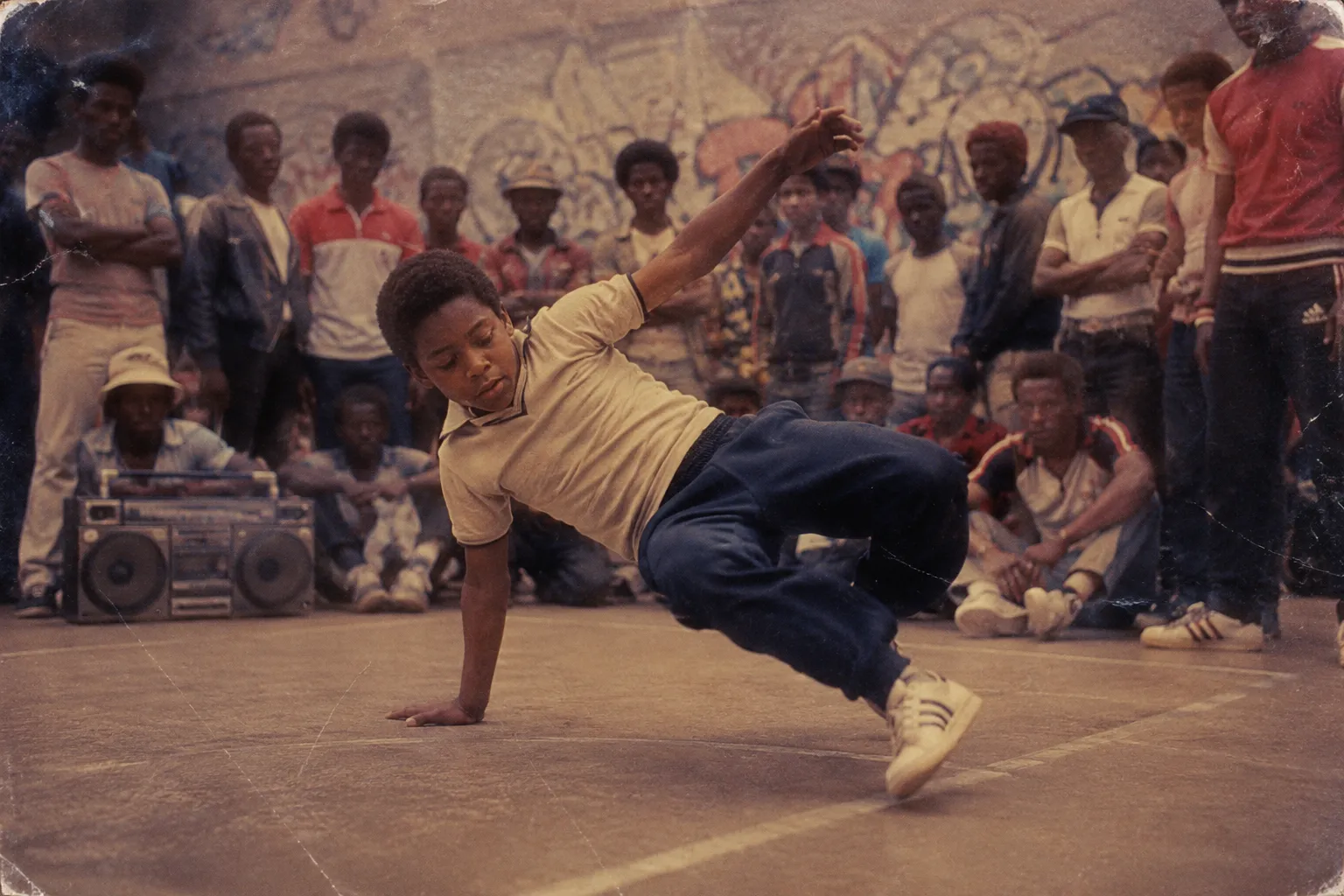
Block parties became central to the movement. Large speakers rolled into parks. Electrical lines stretched from nearby buildings. Entire neighborhoods gathered around DJs and dancers. Flyers announcing upcoming parties spread hand to hand. Hundreds of people sometimes showed up. DJs battled for reputation. Dancers challenged one another. MCs energized crowds and gradually evolved from party announcers into performers capable of carrying songs themselves. Looking back now, these gatherings almost resemble early versions of modern music festivals — except built entirely through neighborhood imagination and community effort.
As the late 1970s arrived, hip-hop slowly began transitioning from parks and block parties toward recorded music. That transition initially created debate among early pioneers because many believed hip-hop belonged live in front of crowds and worried recordings would fail to capture its energy. Then in 1979 everything changed. The Sugarhill Gang released "Rapper's Delight," introducing hip-hop to audiences far outside New York. The song became a phenomenon and represented one of the first times many listeners encountered rap music at all. Some within the culture criticized the record because its performers had not emerged directly from the original Bronx party scene, while others viewed it as commercialization. But regardless of criticism, history had shifted. Hip-hop had officially entered homes around America.
During the early 1980s the movement accelerated rapidly. New artists emerged, styles evolved, and labels increasingly recognized that something important was happening. Groups like Run-D.M.C. brought a tougher, stripped-down sound and helped move hip-hop away from disco influences toward something more aggressive and street-focused. Suddenly the culture that once existed primarily in neighborhood gatherings started appearing on radio stations, television programs, and stages around the world.
Perhaps the most remarkable part of hip-hop's early story is how unlikely its success originally seemed. Nobody handed the movement enormous budgets. Nobody designed it in corporate offices. Nobody predicted that turntables, microphones, and neighborhood creativity would eventually reshape global culture. Yet it happened anyway. Sometimes history begins through massive institutions and carefully planned strategies. Other times, it begins with a DJ, a stack of records, and a crowd waiting for the next beat to drop.