YouTube Musics Podcast Upgrade Draws Users Away from Spotify
A long‑time Spotify user just swapped services after YouTube Music rolled out a suite of podcast‑specific tools on May 28 2026. In a detailed blog post, the author explained that the new features—an AI‑powered recommendation engine, an “Auto speed” playback setting, and an “on‑the‑go” listening mode—were enough to tip the scales.
The switch came after YouTube’s May 2026 announcement that highlighted the platform’s expanded podcast capabilities. The same announcement noted that YouTube Premium subscribers had already logged more than 800 million hours of podcast listening in April 2026, a figure that underscores the service’s growing reach. The author, who had relied on Spotify as the primary podcast app for years, cited the new functionality as the main reason for the change.
Spotify has long dominated the podcast space, offering over 7 million titles and a freemium model that includes ad‑supported free listening and a paid Premium tier with offline playback and commercial‑free audio. The platform has also experimented with AI, including a summarization tool that condenses episodes into short text snippets. While the author praised Spotify’s algorithmic curation for its accuracy, the post noted that the system can become repetitive, prompting some listeners to look for alternatives.
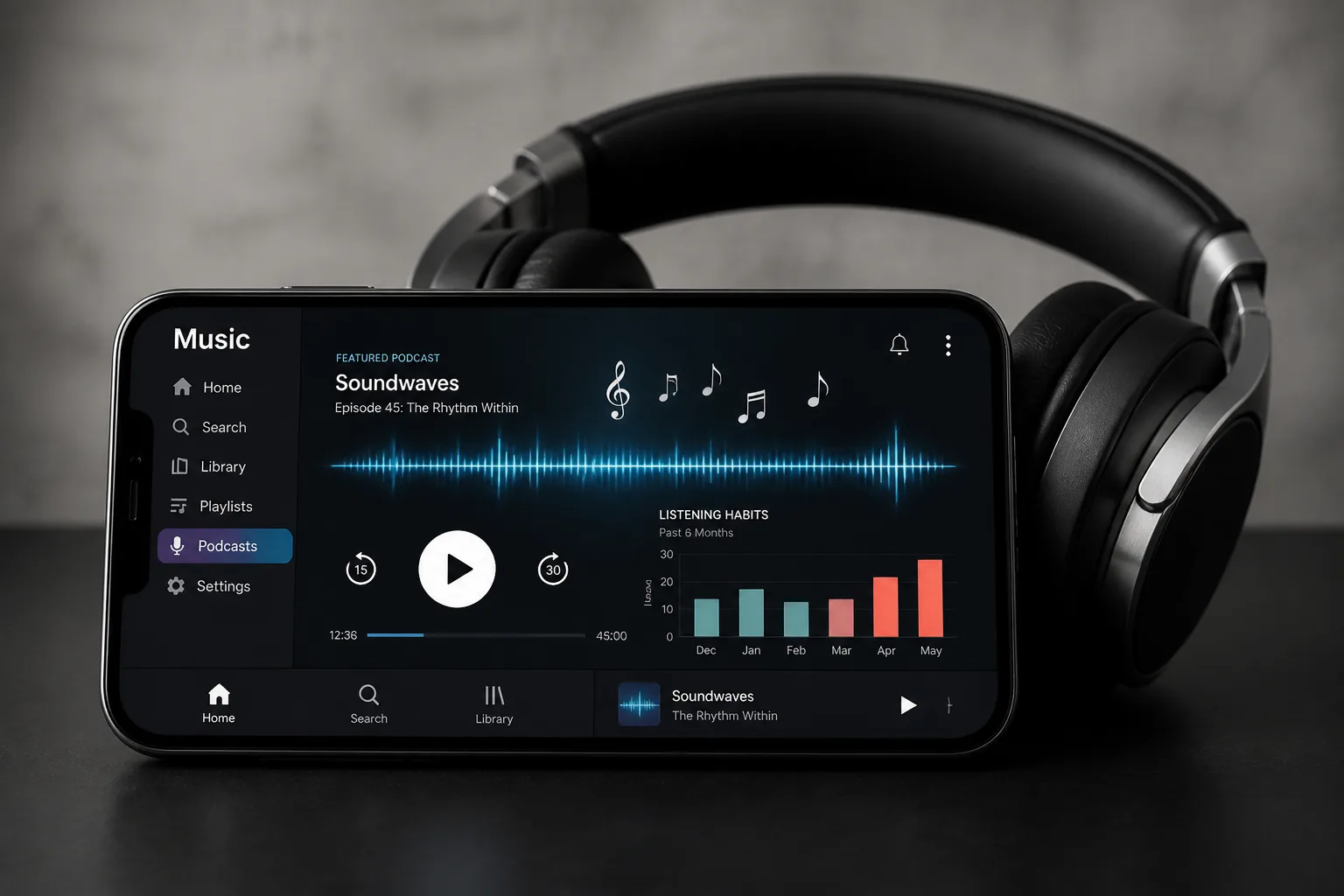
YouTube Music’s new podcast features set it apart in several ways. First, the service lets users switch seamlessly between audio and video versions of a podcast—a capability that the author found essential for video‑podcast content. Second, the AI recommendation engine offers personalized suggestions based on listening habits, though the author observed that YouTube’s recommendations can be hit‑or‑miss compared to Spotify’s more refined curation. Third, the “Auto speed” setting allows playback speed to adjust automatically without the need to select a preset, and the “on‑the‑go” mode enables background play on mobile devices.
The user experience also varies by interface. The author described YouTube Music’s UI as less visually appealing than Spotify’s, but argued that the functional advantages—particularly the audio‑to‑video switch and device‑to‑device continuity—outweighed the aesthetic shortcomings. In contrast, Spotify’s polished UI lacks native video support, which can feel clunky when a podcast includes a visual component.
Pricing considerations factored into the decision. The author pays $3 per month for YouTube Premium, which removes ads and allows background play. While Spotify Premium’s cost is higher, the author found the price differential minimal relative to the added value of YouTube’s podcast features.
The shift from Spotify to YouTube Music reflects the intensifying competition among streaming services as they expand into podcasting. YouTube’s 2026 roadmap positions podcasts as a core component of its content ecosystem alongside music, video, and live streaming. Spotify, meanwhile, continues to invest in AI tools that enhance podcast discovery and consumption.
In short, the author’s move away from Spotify to YouTube Music demonstrates how new podcast‑specific features—especially AI recommendations, playback speed control, and seamless audio‑video switching—can influence user loyalty. The change also signals that podcast listeners are increasingly attentive to platform capabilities beyond basic streaming, including integration with video content and flexible pricing models.