Apples Second-Generation HomePod Adds Stereo, Home-Theater, and Smart-Home Features
On February 3 2023, Apple unveiled its second‑generation HomePod, a compact 7‑inch speaker that pairs music, voice control, and home‑automation into a single, $299 package. For those who prefer a budget‑friendly entry point, the HomePod mini follows at $99, delivering the same ecosystem but in a smaller form factor.
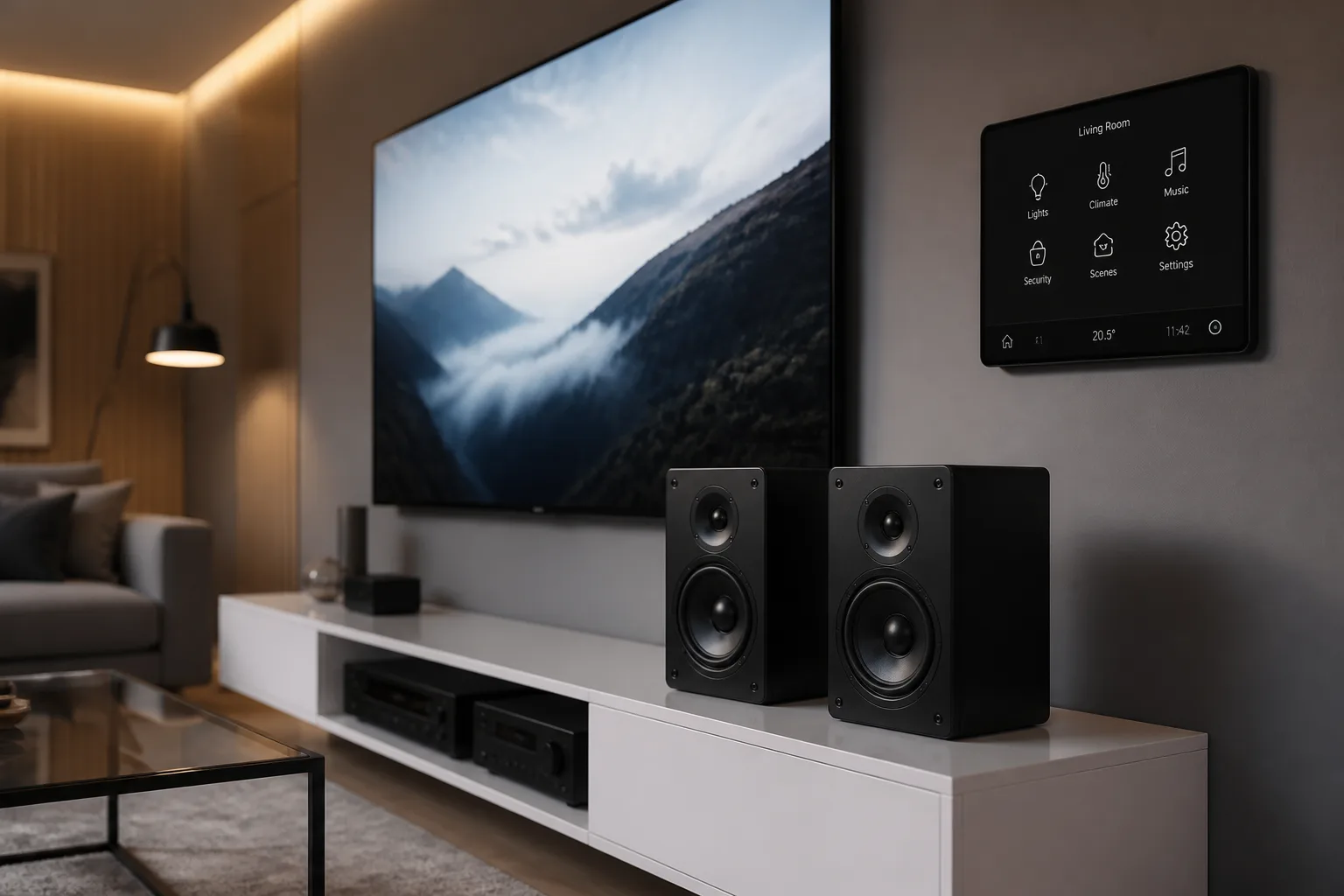
Both devices are engineered to work seamlessly with Apple Music, the Apple Home platform, and Siri. When placed side‑by‑side in the same room, the HomePod and HomePod mini can be paired via the Home app to create a true wireless stereo set. The left‑and‑right channel arrangement expands the listening experience beyond the single‑speaker mode that has long been the hallmark of the brand. While the mini can also form a stereo pair, its use with Apple TV 4K is limited to standard stereo playback.
A key advantage of the HomePod is its ability to serve as a home‑theater audio source. Connected to an Apple TV 4K running the latest software, the speaker supports Dolby Atmos, Dolby Digital 5.1, and 7.1 surround sound. The HomePod must be assigned to the same room in the Home app and set as the default audio output to unlock these features, offering a compelling alternative to traditional soundbars or AV receivers.
Siri’s voice‑recognition system now supports up to six individual user profiles. Each profile can be tailored with preferred streaming services, and the speaker can read messages, make calls, and manage calendars for the speaking user. Guests who lack a dedicated profile can still play music, set timers, or request weather information, but they must meet certain prerequisites: the user’s iPhone or iPad must have Two‑Factor Authentication enabled, “Allow Siri When Locked” turned on, “My Location” set to “This Device,” and the device must share the same Wi‑Fi network as the HomePod.
iOS 26 introduced a transfer‑audio feature that lets media and phone calls move between an iPhone, iPad, or Apple TV and a HomePod. Users enable the feature by toggling “Transfer to HomePod” in Settings > General > AirPlay & Continuity. Once activated, simply hovering the device over the speaker transfers the audio stream. The process works in both directions, and devices equipped with Apple’s ultra‑wideband chip—such as the iPhone 11 and newer—experience faster transfers.
Firmware update 16.3, released in 2023, added temperature and humidity monitoring to newer HomePod models and the HomePod mini. The readings appear in the Apple Home app under the Climate button. While the original HomePod lacks the necessary sensors, the newer models can feed data into HomeKit automations, such as turning on a smart plug when a temperature threshold is reached.
Find My integration gives HomePod users a way to locate other Apple devices on the same network. By asking Siri, “Where is my iPhone?” the speaker can provide the device’s location, distance, and a nearby address. If the device has a built‑in speaker, Siri can play a tone to help locate it. The feature works for other Apple devices and for people who have shared their location in the Find My app.
Apple’s HomePod ecosystem is built around the Apple Home platform, which supports over 1,000 compatible accessories. While Amazon Alexa and Google Home enjoy larger device libraries, the HomePod’s integration with Apple Music, Apple TV 4K, and HomeKit offers a tightly coupled experience that is difficult to match with third‑party smart speakers. The 2023 release of the second‑generation HomePod and the continued availability of the HomePod mini keep the line competitive in the smart‑speaker market, delivering premium audio quality alongside a broad array of home‑automation features.