Indias Concert Boom Stalled by Shortage of Purpose-Built Venues
When Travis Scott’s 2025 Delhi concert sold out in hours, it underscored a paradox: India’s live‑event market is booming, yet its stage is still a makeshift canvas.
According to an EY‑BookMyShow report, the country’s live‑events economy is worth Rs 13,000 crore, fueled by ticket sales, tourism, hospitality and local spending.
The surge is evident. Travis Scott’s Delhi show attracted over 100,000 fans and generated nearly Rs 100 crore in ticket revenue. Similar numbers followed for Ed Sheeran, Coldplay, Diljit Dosanjh and Arijit Singh, confirming India as a key stop for global touring acts.
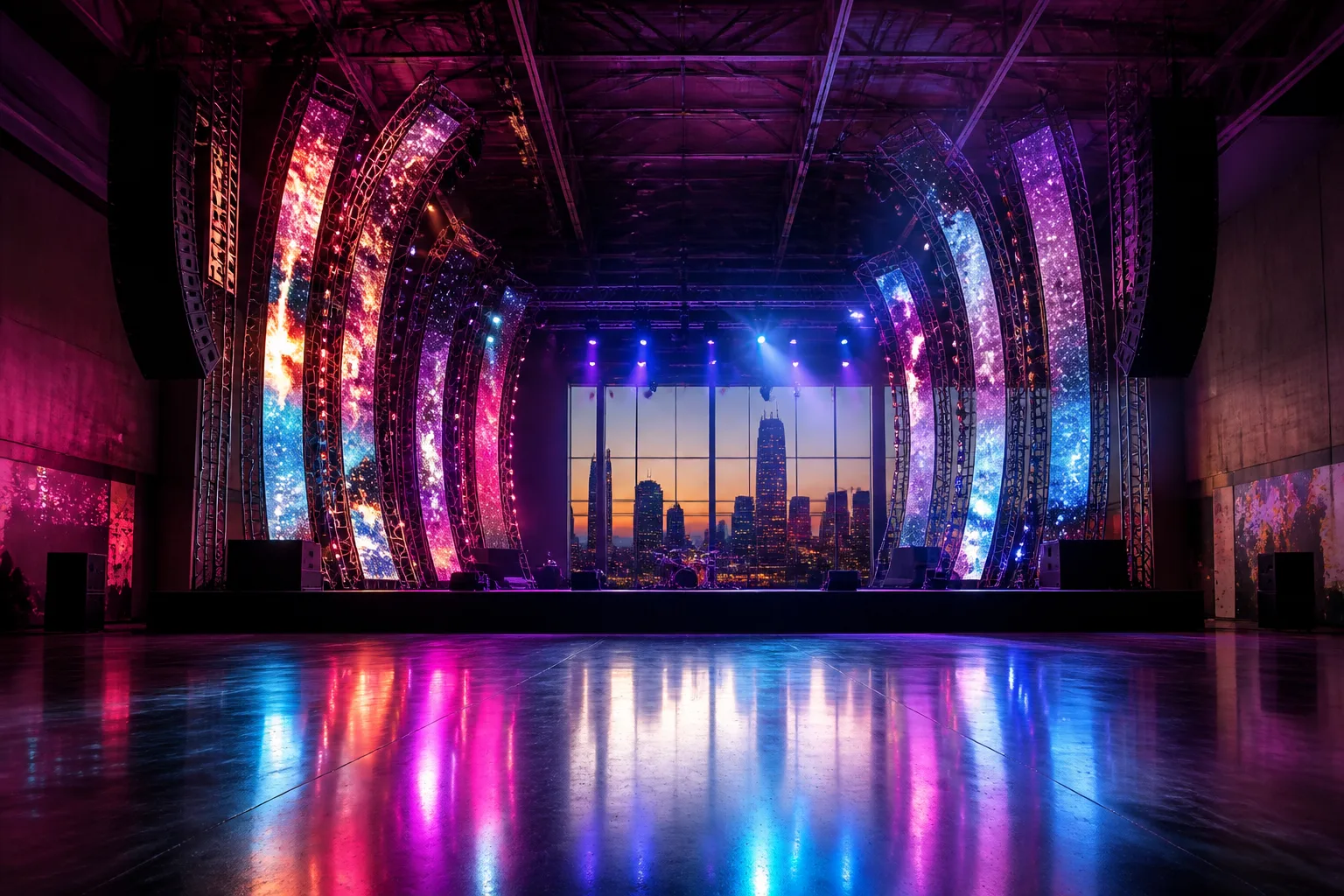
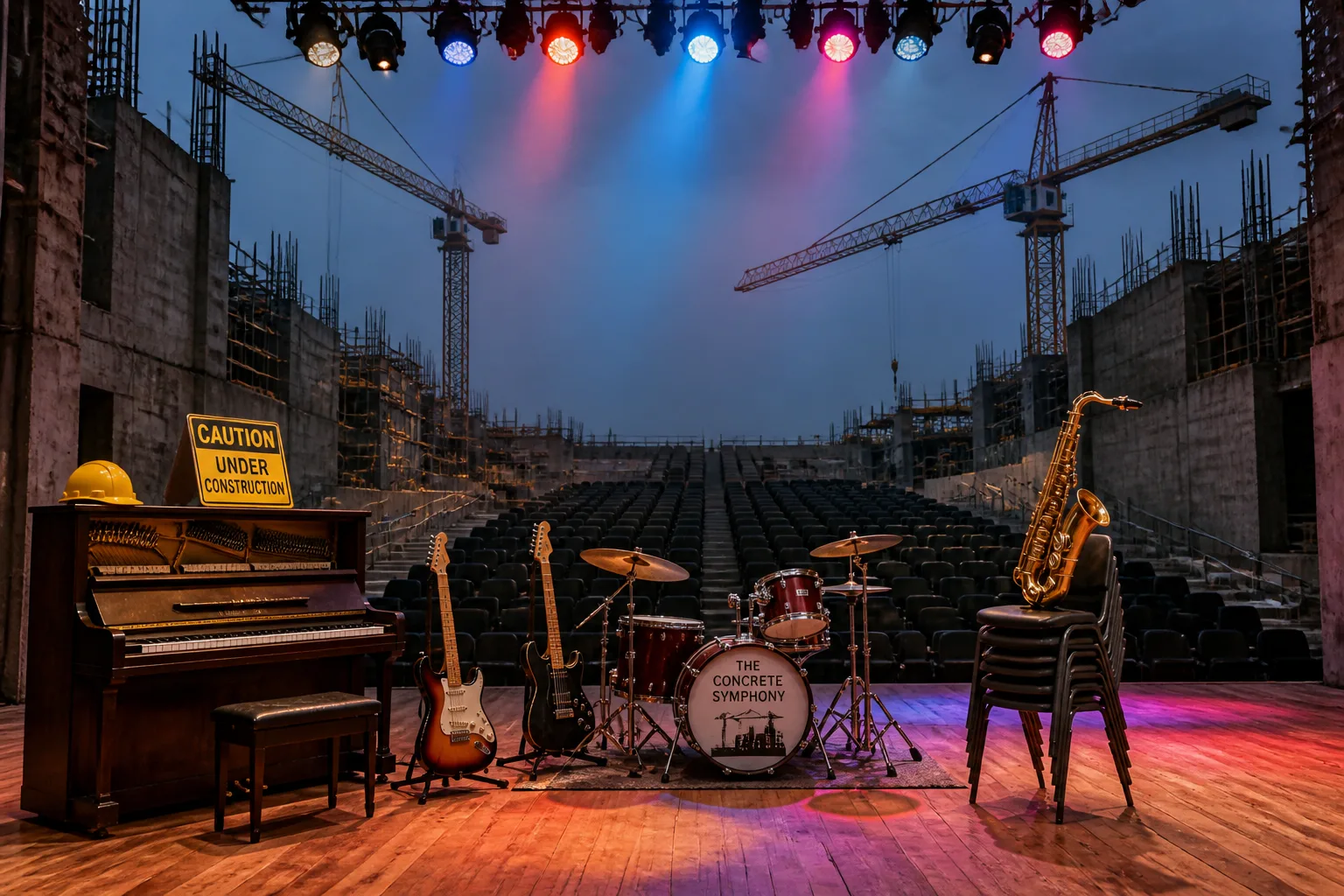
Despite this demand, most concerts are staged on sports grounds, exhibition centres or open plots that are converted into temporary arenas. Promoters must erect stages, roofing, backstage facilities and crowd‑control infrastructure from scratch for each show. The cost of venue and production is estimated to be 30‑40 % of the total cost of a show, while artist fees can consume 50 %.
The high upfront spend leaves little margin for profit even when tickets sell out. Industry insiders say that the cash burn is significant and that money could be better used to improve fan experience or secure more artists. The lack of permanent venues also increases risk, as temporary structures can be vulnerable to weather, safety incidents and logistical delays.
A few companies are experimenting with plug‑and‑play venues. Greenstone Entertainment’s Terraform Arena in Bengaluru, described as the country’s only outdoor plug‑and‑play venue, provides 60 % of the infrastructure needed for a concert. According to the company, a show that would normally take seven days to set up can be ready in two days, saving at least Rs 30‑40 lakh in costs. Zomato has acquired naming rights and operational management of Terraform, operating it as District Arena at Terraform.
The venue bottleneck also limits the attractiveness of India for brands that use concerts for experiential marketing. A report by EY and BookMyShow estimates that India’s live‑events economy is worth Rs 13,000 crore and that one‑third of brands that invest in experiential marketing allocate 11‑40 % of their total marketing spend to the category. Sponsors can contribute 20‑50 % of an event’s revenue, but the inconsistent fan experience and limited capacity reduce the potential for higher sponsorship deals.
Policy makers are beginning to address the issue. The government’s Live Events Development Cell and efforts to create single‑window clearances aim to streamline licensing. Several state governments are considering policies to support venue development. However, investors are hesitant to build dedicated arenas until a sufficient number of concerts justify the investment, creating a chicken‑and‑egg dynamic that keeps the market in its current state.
Beyond the financials, large concerts also generate ancillary revenue streams. According to the EY report, a sold‑out show can boost local hospitality, transportation and retail spending. However, the lack of suitable venues hampers the ability to host multi‑day festivals that could amplify these spill‑over effects.
The current situation is that India’s concert boom is constrained by a shortage of purpose‑built venues, leading to high costs, thin margins and limited brand engagement. Unless a network of permanent arenas is developed, the market may struggle to transform the existing demand into a sustainable, profitable entertainment economy.