From Vinyl Selectors to Global Tastemakers: How the Role of the DJ Changed Over Time
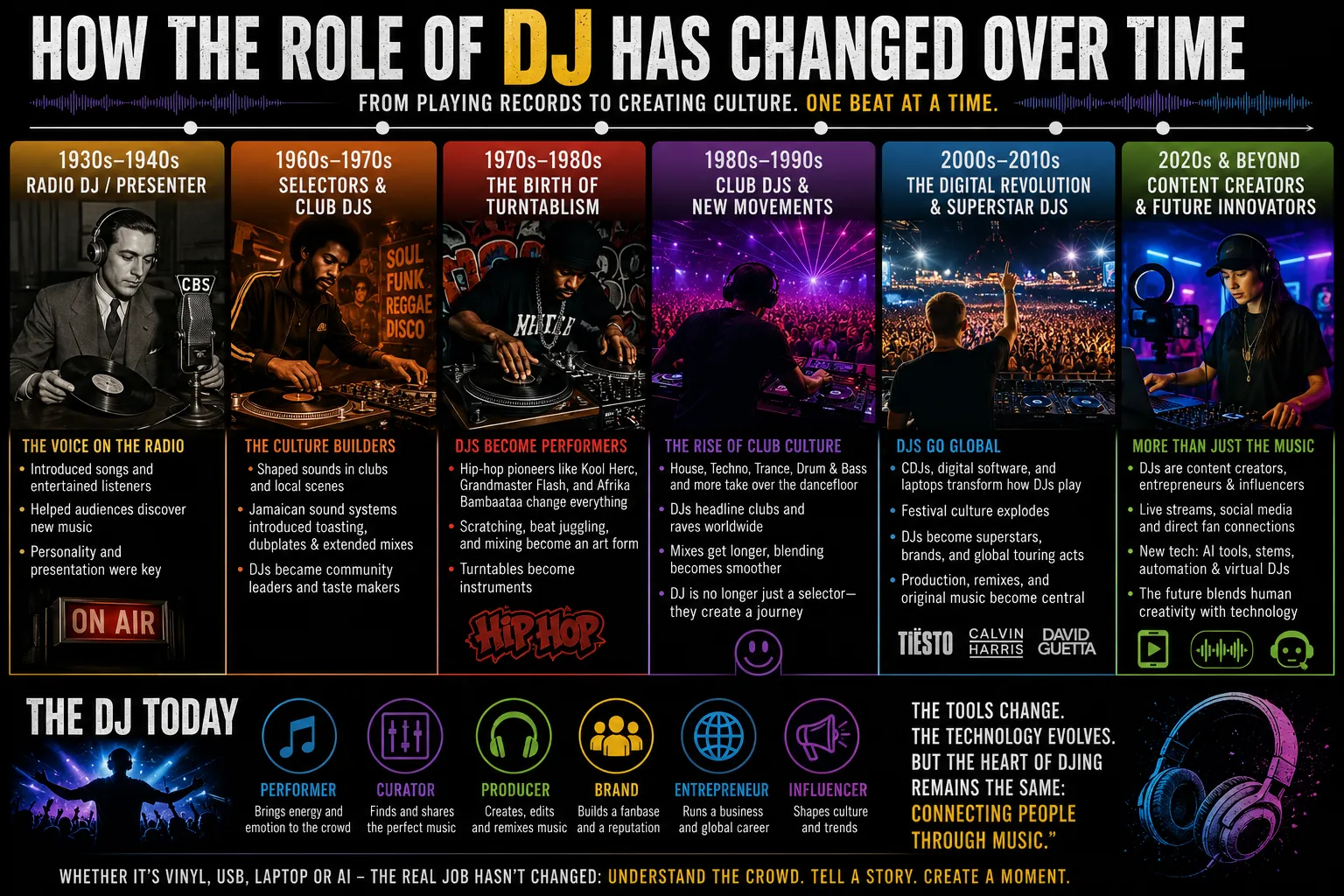
The role of the DJ has transformed dramatically over the decades. What began as a relatively simple task of selecting and playing records evolved into one of music's most influential creative positions. DJs today often function as performers, producers, cultural curators, influencers, and global brands. But that evolution took place across generations of technological shifts and changing music culture.
In the earliest days of radio during the 1930s and 1940s, DJs were primarily presenters. Radio disc jockeys introduced songs, spoke between records, and acted as guides helping audiences discover new music. The term "disc jockey" itself emerged from spinning vinyl records while acting as an on-air host. Personalities became nearly as important as the songs they played.
By the 1960s and 1970s, DJs began taking on a different role in clubs and local music scenes. In cities like New York, Chicago, and Kingston, Jamaica, selectors and club DJs became central figures in nightlife and emerging genres. Jamaican sound system culture introduced techniques such as toasting, extended mixes, and crowd interaction that would later influence hip-hop and dance music worldwide.
The late 1970s changed everything.
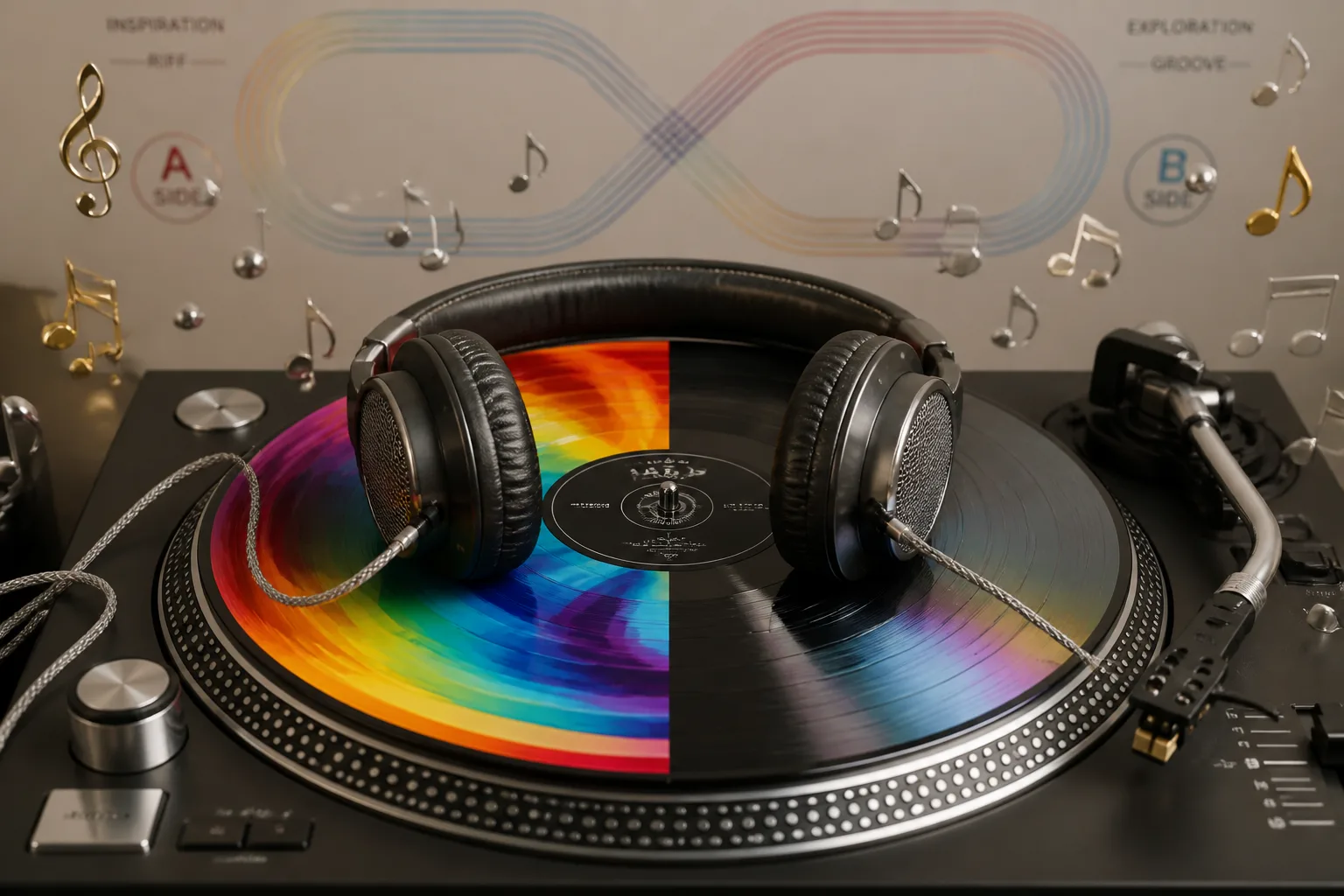
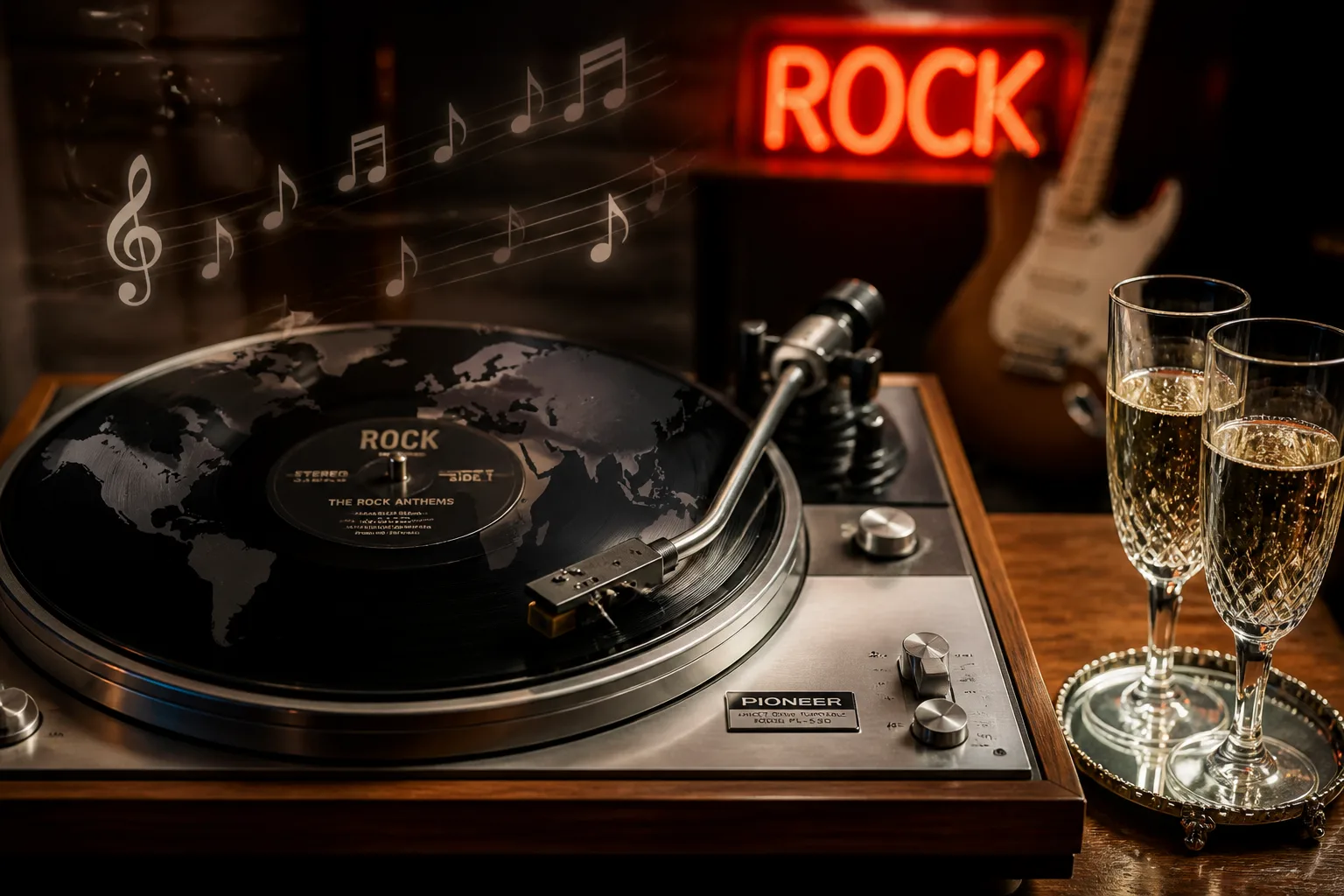
Hip-hop pioneers including Kool Herc, Grandmaster Flash, and Afrika Bambaataa transformed DJing into an art form. Instead of simply playing records, DJs manipulated them. Scratching, beat juggling, looping, and blending records introduced technical performance elements that fundamentally altered what audiences expected from a DJ. Turntables became instruments themselves.
Throughout the 1980s and 1990s, DJs increasingly became creators rather than facilitators. House music, techno, and rave culture elevated club DJs into headline performers. Cities such as Chicago, Detroit, Ibiza, and Berlin developed scenes where DJs could shape entire musical movements.
Technology accelerated the transformation.
Vinyl eventually gave way to CDs, CDJs, samplers, and later digital software platforms such as Serato, Traktor, and Rekordbox. Laptop setups allowed DJs to carry thousands of tracks instantly. Access expanded dramatically, lowering barriers for newcomers while creating debates about authenticity and technique.
The 2000s and 2010s created perhaps the biggest shift yet: the rise of the superstar DJ.
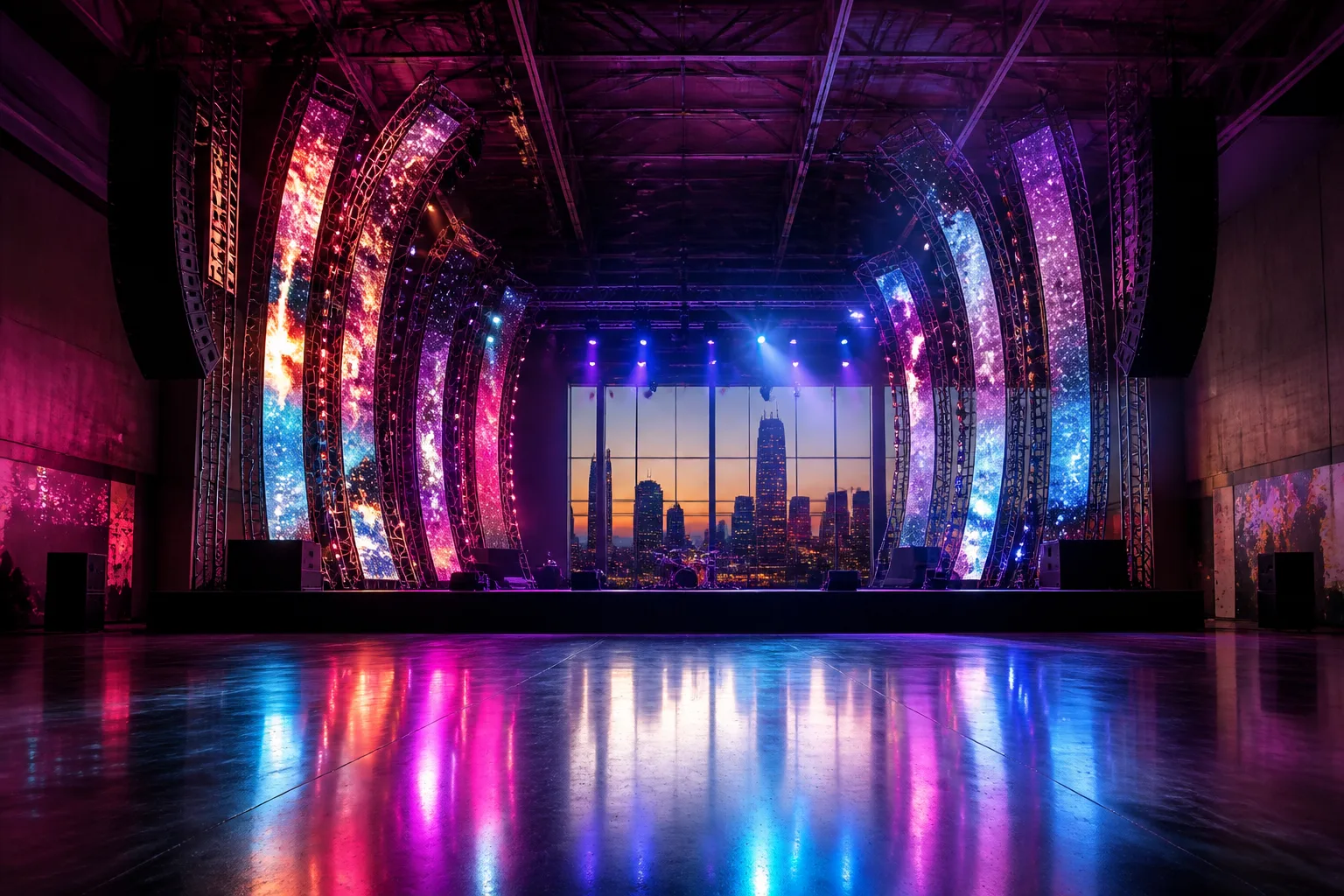
Artists such as David Guetta, Calvin Harris, Tiësto, Skrillex, and Marshmello moved from club booths to festival main stages. DJs no longer simply supported events—they became the event. Massive stages, fireworks, synchronized visuals, branding partnerships, and global tours transformed electronic performers into some of music's largest attractions.
Social media further expanded the role. Modern DJs now build communities online, create content, livestream performances, release original music, and maintain direct relationships with audiences. Many function simultaneously as artists, entrepreneurs, marketers, and media personalities.
Artificial intelligence may now be introducing another transition. Recommendation algorithms, AI-generated playlists, virtual DJs, and automated mixing tools increasingly raise questions about where human creativity fits into music discovery and performance.
But despite every technological change, one part of DJ culture remains largely unchanged.
The job has always been about understanding a crowd.
Because whether using vinyl records, turntables, laptops, or AI tools, DJs still shape experiences one song at a time.